Itchy, red, watery, or irritated eyes can make it hard to tell whether you are dealing with eye allergies or dry eye. While the symptoms can overlap, the cause and the care that may help are different. Understanding the pattern of your symptoms can help you know when it is time to seek dry eye therapy.
What are the main differences between eye allergies and dry eye?
The clearest difference is usually itching. Eye allergies commonly cause significant itching, while dry eye more often causes burning, grittiness, fluctuating vision, or a tired, scratchy feeling.
Eye allergies occur when your immune system reacts to triggers such as pollen, pet dander, dust, or mold. Your eyes may feel worse during certain seasons or after exposure to a known allergen.
Dry eye occurs when your tears do not provide enough moisture or do not stay on the surface of your eye long enough. It can be linked to screen time, aging, certain medications, contact lens wear, eyelid gland dysfunction, and environmental conditions.
Which symptoms point to eye allergies?
Eye allergy symptoms often come on quickly after exposure to a trigger and may affect both eyes at once. Common signs include:
- Intense itching
- Watery eyes or clear discharge
- Puffy eyelids
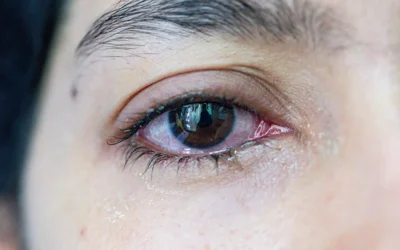
- Redness
- Sneezing, congestion, or other allergy symptoms
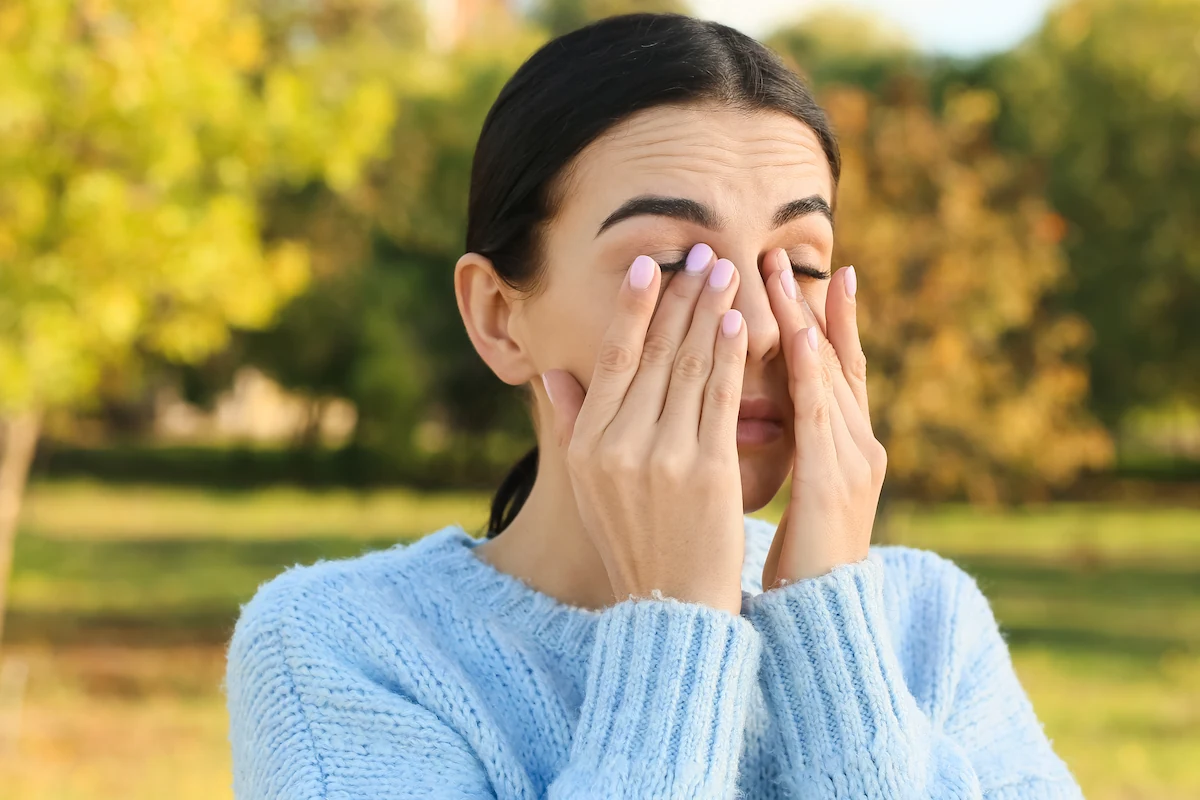
Rubbing your eyes may temporarily feel helpful, but it can worsen irritation. Cool compresses and avoiding known triggers can help, but persistent symptoms deserve professional guidance, especially if you are unsure whether allergies are the only cause.¹
Which symptoms point to dry eye?
Dry eye can feel different from day to day and often becomes more noticeable later in the afternoon or after long periods of reading, driving, or using a screen. It may cause:
- Burning, stinging, or a sandy feeling
- Blurry vision that improves when you blink
- Eye fatigue
- Redness
- Excess tearing, even though the eyes feel dry
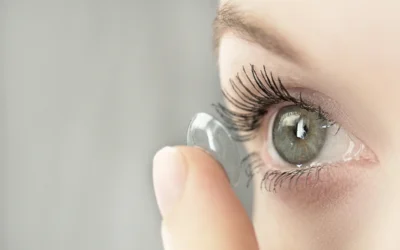
- Contact lens discomfort
Watery eyes can be confusing, but they do not rule out dry eye. When the eye surface is irritated, it can produce reflex tears that do not have the right balance to keep the eyes comfortable.
Can you have both eye allergies and dry eye?
Yes. Allergies can irritate the eye surface, while dry eye can make your eyes more sensitive to allergens. Some allergy medications may also contribute to dryness. If over-the-counter drops are not providing consistent relief, an eye exam can help distinguish between these conditions and identify whether more than one issue is involved.
Our doctors use modern diagnostic technology to create care plans around each patient’s symptoms and eye health. Our practice has also been named Omaha Magazine’s “Best of Omaha” for Optometrist every year since 2011.
Find relief based on the cause of your symptoms
Choosing the wrong type of eye drop or only treating the symptom may leave you uncomfortable. If your eyes frequently itch, burn, water, or feel gritty, a comprehensive evaluation can identify whether allergies, dry eye, or both are affecting your comfort.
Omaha Eye Care offers personalized dry eye treatment to address the underlying cause of dry eye symptoms. Schedule an appointment to get a clear diagnosis and a plan for more comfortable eyes.
Reference: