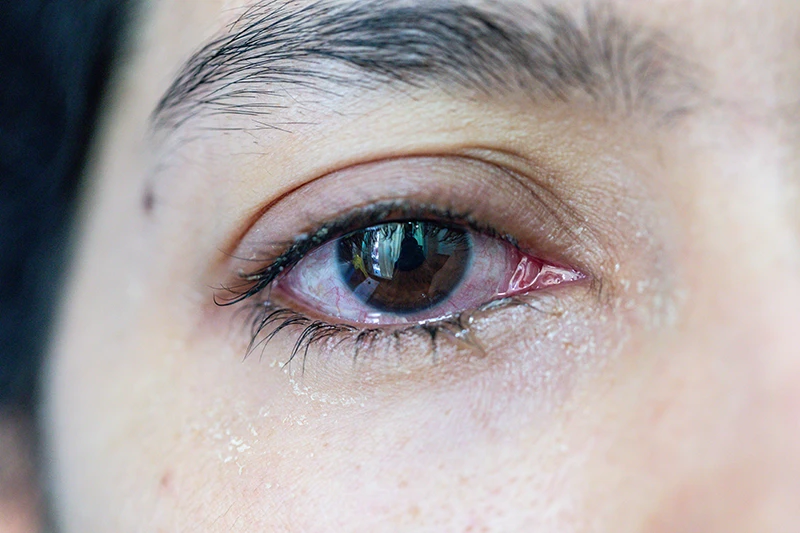
Dry, irritated eyes that also tear up easily can feel contradictory. Many people assume watery eyes mean there is too much moisture, but in many cases, the opposite is true. When the eye surface becomes dry or unstable, it can trigger excess tearing as a protective response.
In this blog, we explain why dry eye often leads to watery eyes, what disrupts the tear system, and how treatment can help restore balance and comfort.
How dry eye can cause watery eyes
Your eyes rely on a stable tear film to stay comfortable and clear. When that system breaks down, the eyes send a signal for more tears. These reflex tears help in the short term but don’t solve the underlying issue.
That’s where the cycle begins:
- The eyes feel dry, scratchy, or irritated
- The body produces a surge of reflex tears
- Those tears lack the proper oil balance to stay on the eye
- The surface becomes dry again soon after
This pattern repeats throughout the day and often leads to fluctuating comfort and vision.
The role of the tear film in eye health
A healthy tear film contains three layers that work together to protect the eye. When one layer becomes disrupted, the entire system becomes less stable.
Common reasons for imbalance include:
- Poor oil production from the meibomian glands in the eyelids
- Rapid evaporation of tears
- Inflammation on the ocular surface
- Extended screen time with reduced blinking
- Dry environments from heating, air conditioning, or wind exposure
How screen use and the environment contribute
Modern daily habits often make tear instability worse without people realizing it. Long periods of near focus reduce blink rate, which limits how evenly tears spread across the eye.
You may notice symptoms worsen when:
- Using computers or phones
- Reading for extended periods
- Driving long distances
- Spending time in air-conditioned or heated indoor spaces
- In windy or dry outdoor conditions
These environments don’t directly cause dry eye for everyone, but they often intensify existing tear instability.
When contact lenses make symptoms more noticeable
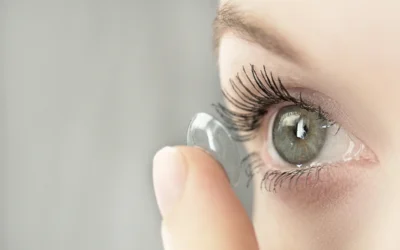
Contact lenses sit directly on the surface of the eye, which can amplify dryness or irritation when the tear film isn’t stable.
Common experiences include:
- Comfort in the morning that worsens later in the day
- Increased reliance on rewetting drops
- Vision that fluctuates during wear
- Sensitivity to dry or windy environments
- Relief after removing lenses
In some cases, specialty contact lenses, such as scleral lenses, can improve comfort by creating a more stable environment over the eye’s surface.
Treating the root cause of watery, dry eyes
When watery eyes stem from dryness, treatment focuses on restoring tear quality rather than adding more moisture.
After a comprehensive eye exam, an eye doctor may recommend a personalized dry eye treatment plan that can include:
- Improving oil gland function in the eyelids
- Reducing inflammation on the eye surface
- Supporting more stable tear production
- Adjusting contact lens wear or exploring specialty lens options
- At-home care routines such as warm compresses and lid hygiene
- Prescription eye drops to target inflammation and improve tear stability
- In-office treatments such as intense pulsed light (IPL) therapy or radiofrequency
Each plan depends on what is driving the imbalance, which makes a comprehensive eye exam an important part of identifying the right approach.
Finding lasting relief from discomfort
Once the tear film becomes more stable, many people notice fewer fluctuations in vision, less irritation, and a more predictable level of comfort throughout the day.
At Omaha Primary EyeCare, our skilled eye doctors in Elkhorn evaluate the full picture behind dry, watery eyes and build treatment plans designed to improve both comfort and visual clarity in everyday life.
Schedule an appointment to explore dry eye treatment options and find relief from the cycle of irritation and tearing.