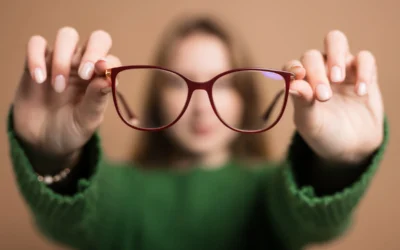
It can feel frustrating to pick out new glasses for your child, only to hear at the next pediatric eye exam that their prescription has changed again. For many families, this becomes a yearly pattern throughout childhood and the teenage years.
In many cases, these changes are linked to myopia, also known as nearsightedness. As myopia progresses, children may need stronger prescriptions more frequently to keep their vision clear. This is one reason myopia management has become an important part of long-term pediatric eye care.
At Omaha Primary EyeCare in Elkhorn, our friendly, knowledgeable eye doctors in Elkhorn help families monitor changing prescriptions through regular comprehensive eye exams and customized myopia management options. Keep reading to learn why managing myopia progression is important and how the right treatment plan can help protect your child’s vision as they grow.
Children’s eyes are still developing
Your child’s eyes continue to grow and change throughout childhood. As the eye grows longer from front to back, light focuses incorrectly in front of the retina instead of directly on it. This causes distant objects to appear blurry and often leads to increasing levels of myopia over time.
Because children’s eyes are actively developing, prescription changes are common. Some children experience only mild shifts, while others may notice their vision worsening more quickly from year to year.
Myopia progression often speeds up during school-age years
Many children begin developing myopia between the ages of 6 and 12. During these years, vision changes can happen rapidly. Parents may notice signs such as:
- Squinting to see far away
- Sitting very close to screens
- Holding books close to the face
- Complaints of blurry distance vision
- Frequent headaches or eye strain
- Trouble seeing the classroom board at school
Annual pediatric eye exams help detect these changes early, so children can continue seeing clearly both in and out of the classroom.
Screen time and near work may contribute
Today’s children spend more time focusing on nearby objects than ever before. Tablets, smartphones, computers, and schoolwork all require prolonged near vision focus. While screens are not considered the sole cause of myopia, extensive near work may contribute to faster progression in some children.
Limited outdoor time may also play a role. Research suggests that children who spend more time outdoors may have a lower risk of developing severe myopia.
Why frequent prescription updates matter
An outdated prescription can make it harder for children to learn, participate in sports, and stay comfortable during daily activities. Even small vision changes may affect:
- Reading comprehension
- Classroom performance
- Hand-eye coordination
- Attention span
- Confidence at school
Regular comprehensive eye exams allow our eye doctors to monitor prescription changes and make sure glasses or contact lenses continue providing clear, comfortable vision.
Myopia management may help slow progression
For children whose prescriptions continue increasing year after year, myopia management may help slow the progression of nearsightedness.
At Omaha Primary EyeCare, our experienced optometrists offer proven myopia control options tailored to each child’s needs.
MiSight® contact lenses
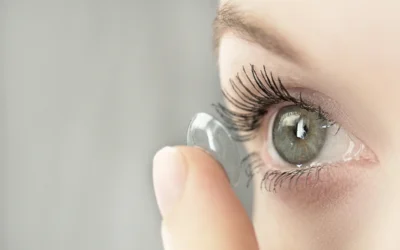
MiSight® 1 day contact lenses are FDA-approved soft contact lenses designed specifically for myopia management in children. These daily disposable lenses not only correct blurry vision but may also help slow prescription progression over time.
Many children enjoy the convenience and freedom that contact lenses can provide during sports, school, and other activities.
Ortho-k lenses
Orthokeratology, often called ortho-k, uses specially designed rigid contact lenses worn overnight to gently reshape the surface of the eye while your child sleeps. During the day, many children can see clearly without glasses or daytime contact lenses.
Ortho-k is often a popular option for active children and teens who want freedom from daytime eyewear while also addressing myopia progression.
Some prescription changes are expected, but rapid changes should be monitored
A changing prescription does not always indicate a serious problem. However, rapid increases in nearsightedness can raise the risk of future eye health complications later in life, including retinal problems, glaucoma, and myopic macular degeneration.
Monitoring these changes closely through routine pediatric eye exams gives eye doctors valuable information about how quickly myopia is progressing and whether treatment options may be beneficial.
Stop your child’s vision from worsening every year
If your child’s prescription seems to change every year, a pediatric eye exam can help determine whether myopia progression may be the cause. Monitoring these changes early can help your child see more clearly and comfortably at school, during activities, and throughout everyday life.
At Omaha Primary EyeCare, our eye doctors take the time to understand your child’s vision needs and recommend personalized care options. Schedule a pediatric eye exam today to help protect your child’s long-term vision and keep up with the moments that matter most.